
Mechanical Engineering Micro Systems

Our research activity focuses on modeling micro actuators and on design of innovative devices with tailored properties. Recently we expanded our interests into Nonlinear Dynamics. Here are some typical fruits of our work. Additional interesting research projects are posted on our Research page. We are eagerly seeking collaboration and if you have interesting problems or challenges, we would love to hear about them.

Nonlinear Dynamics, 2026, 2026

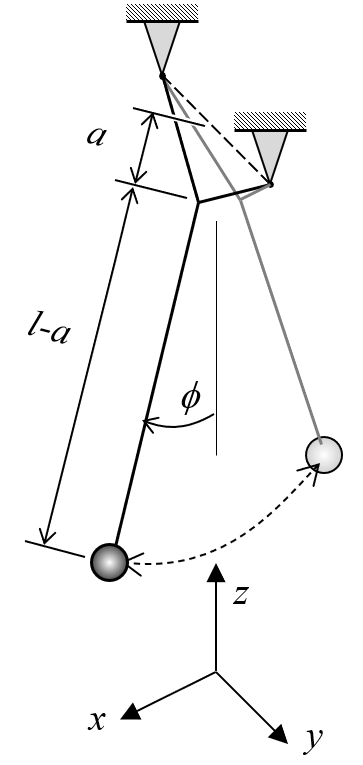
Anisotropic pendulum image

The intermediate frequency effect and Dzhanibekov-like transitions in the response of the anisotropic pendulum

In this work the free vibration response of the anisotropic pendulum is analyzed. The spherical pendulum has three primary periodic motions of free vibration, but two are degenerate and have the same frequency, leading to Dzhanibekov-like transitions.

More information in the research tab

Journal of Sound and Vibration, 2025, 2025

Flexural vibrations image

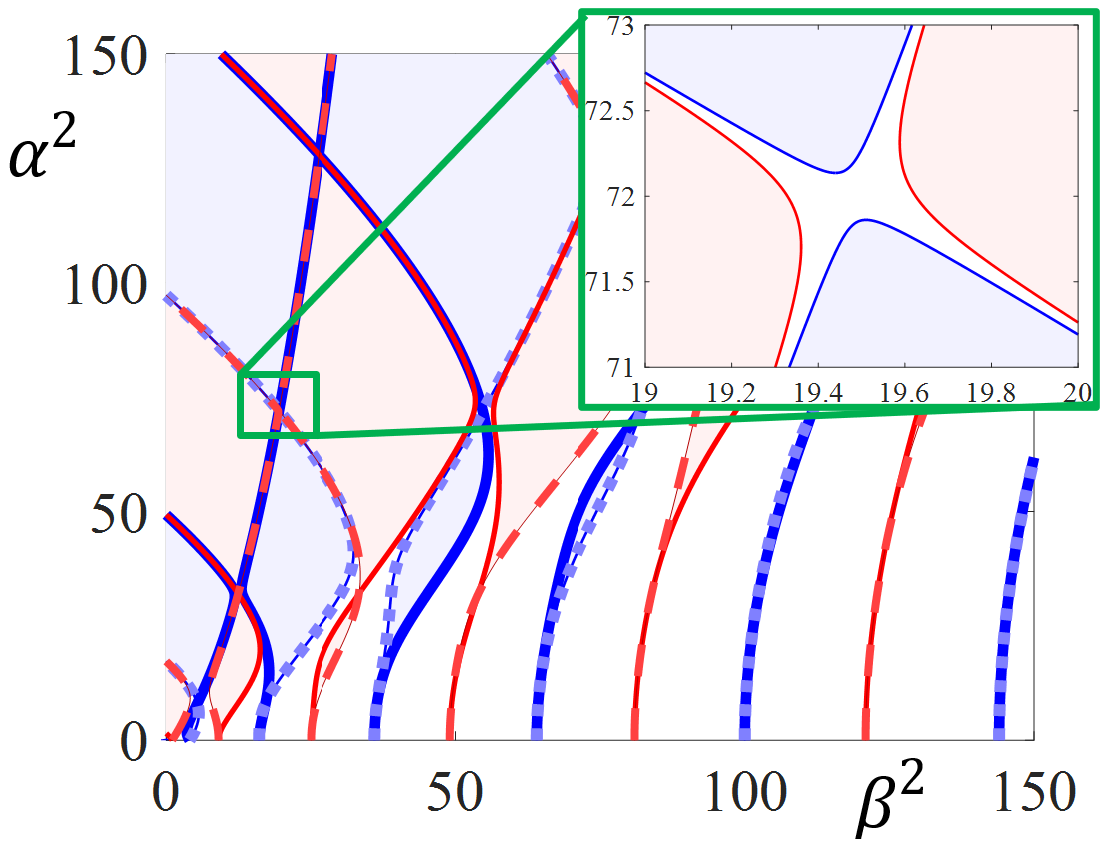
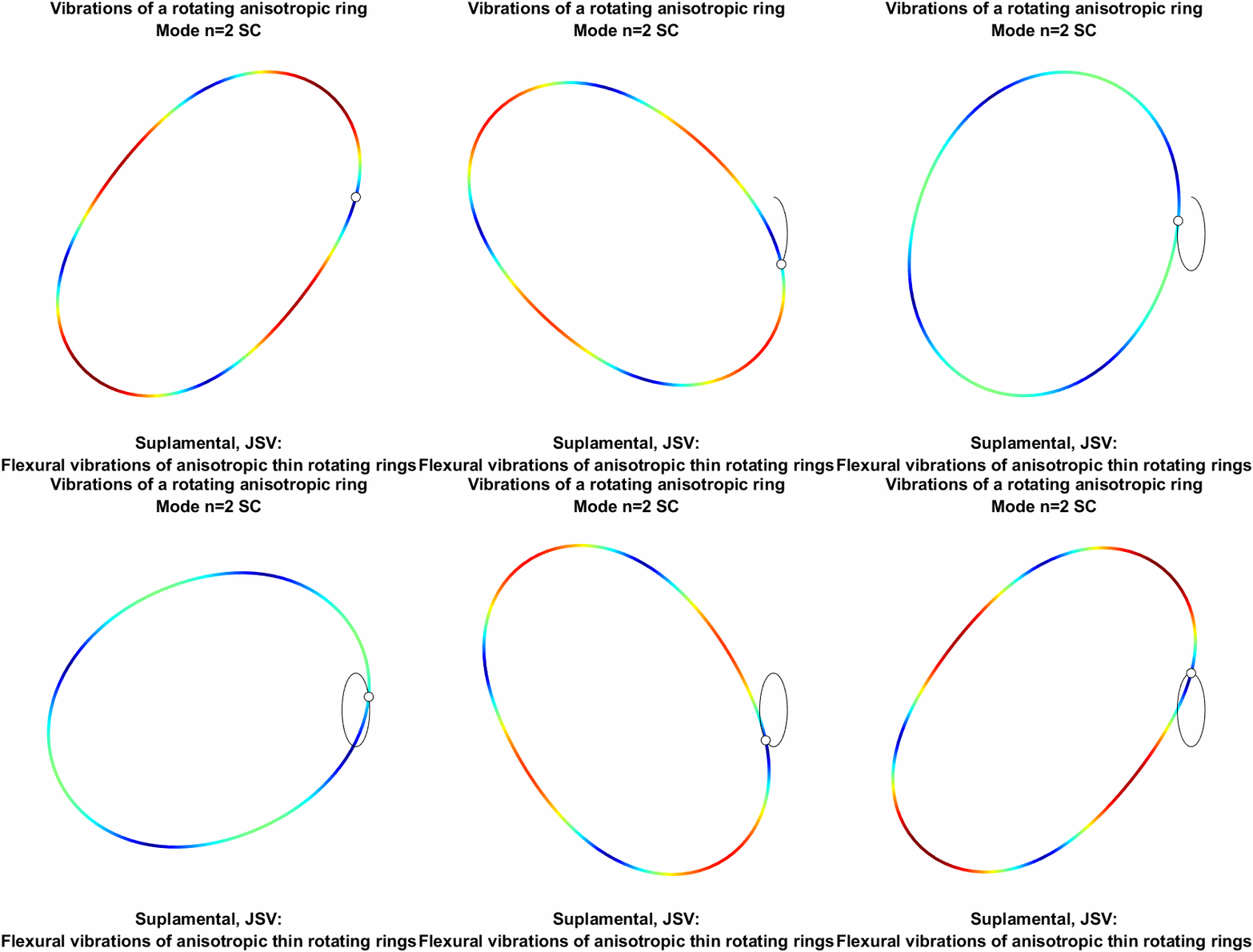
Flexural vibrations of anisotropic thin rotating rings

We present a rigorous analysis of the in-plane flexural vibrations of a thin rotating circular ring. The ring is made from an anisotropic material with cubic symmetry, as is common in single-crystalline silicon ring gyroscopes.

More information in the research tab

IEEE Sensors Letters, 2023, 2023

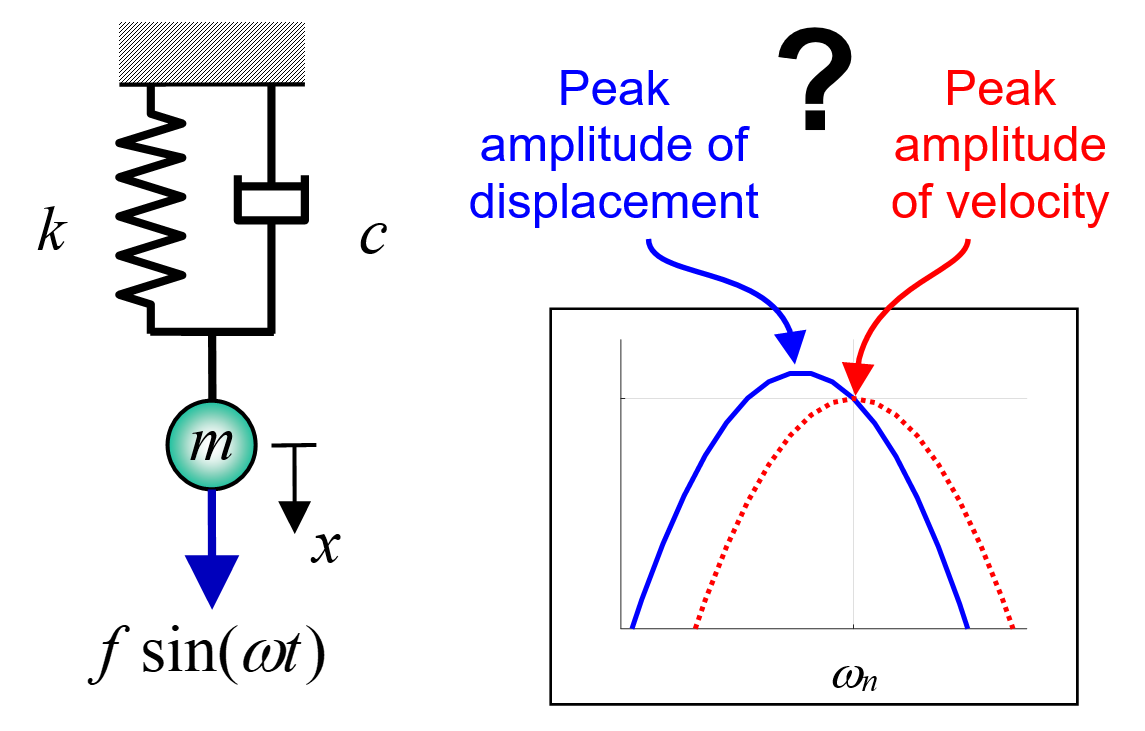
Resonance of a Linear Mechanical Resonator image

What is the Resonance of a Linear Mechanical Resonator, Peak Amplitude of Displacement or Peak Amplitude of Velocity?

There is some ambiguity in literature with respect to the resonance response of mechanical resonators. Should resonance be associated with the peak amplitude of velocity or should it be associated with the peak amplitude of displacement? Another ambiguity relates to the definition of phase: should phase relate velocity or displacement to the driving force? These two issues are addressed here, and it is shown why resonance should be associated with peak amplitude of velocity, and not with peak amplitude of displacement.

More information in the research tab

IEEE Journal of Microelectromechanical Systems, 2021, 2021

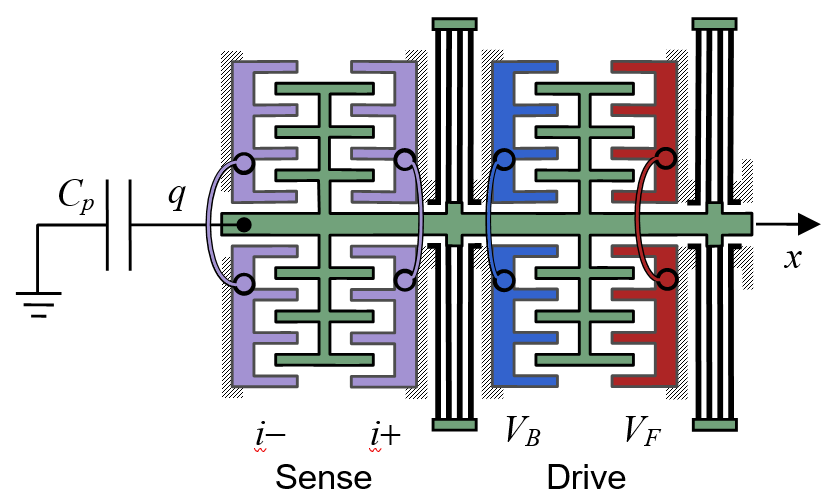
Parametric Resonators With a Floating Rotor image

Parametric Resonators With a Floating Rotor: Sensing Strategy for Devices With an Increased Stiffness and Compact Design

Recently we presented a parametric resonator which is constructed from a double-sided comb-drive transducer with an electrostatically floating rotor. That device had a natural frequency of ~2.3 kHz. In the present study we present a parametric resonator utilizing a sensing strategy suited for devices with an increased stiffness and compact design.

More information in the research tab
IEEE MEMS-2017 Conference, 2017, 2017

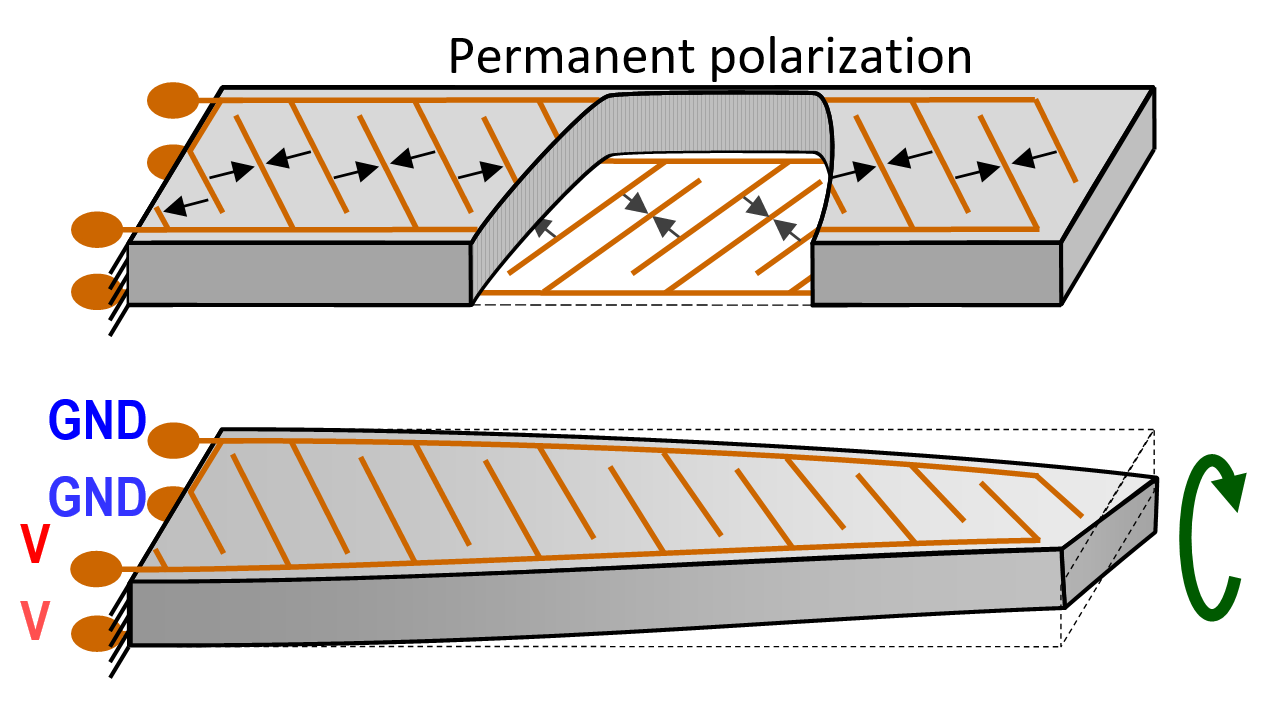
A Piezoelectric Twisting Beam

A Piezoelectric Twisting Beam

We demonstrated, for the first time ever, a piezoelectric beam actuator that responds in pure twist. The actuator is constructed from bulk PZT (following the work of Don DeVoe), and interdigitated electrodes that are rotated at 45º relative to the beam axis, are used for both poling and driving.

More information in the research tab